
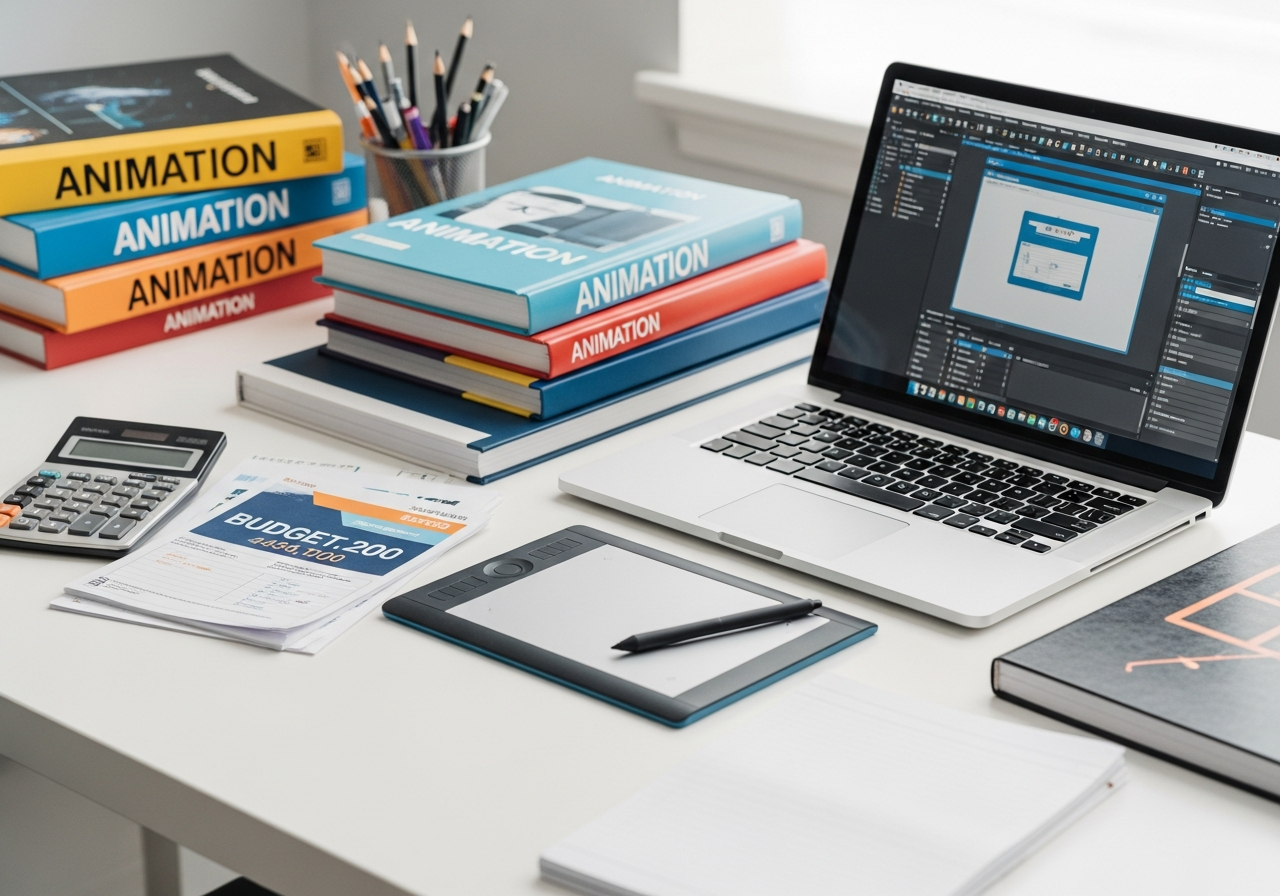
Cost Breakdown of Required Textbooks and Software Manuals for Animation Students
Animation education in Canada involves significant expenses beyond tuition fees, with required textbooks and software manuals representing a substantial portion of students’ educational costs. These learning materials form the foundation of technical and artistic development, spanning traditional animation theory, digital software proficiency, and industry-standard workflows that prepare students for professional careers.
Understanding the cost breakdown of these essential resources helps prospective animation students budget effectively for their education. Canadian animation programs typically require a combination of foundational textbooks covering animation principles, specialized manuals for industry software like Toon Boom Harmony and Autodesk Maya, and reference materials that support both 2D and 3D animation pipelines. While some institutions provide clear cost estimates and embrace free alternatives like open educational resources, others maintain traditional approaches that can result in higher material expenses for students.
How Animation Programs in Canada Specify Required Textbooks and Software Manuals
Canadian animation programs outline mandatory learning resources through published materials lists that vary significantly in their presentation and detail. Most institutions provide these lists through student portals, course syllabi, or dedicated bookstore partnerships that specify exact ISBN numbers, edition requirements, and expected purchase timelines. However, the transparency of cost information differs considerably between schools, with some offering comprehensive price estimates while others simply list titles without financial guidance.
The scope of learning costs extends far beyond traditional textbooks to include software documentation, digital subscriptions, and specialized reference materials. Programs increasingly distinguish between physical textbooks, digital manuals, and online resources, though the focus on manual costs remains critical for budget planning. Many schools now provide supplementary cost breakdowns that separate one-time purchases from recurring subscription fees, helping students understand the full financial commitment required throughout their studies.
Course-specific requirements often change between academic years, with programs updating their resource lists to reflect industry trends and software updates. This dynamic environment means students must stay informed about potential cost changes and new edition releases that could impact their budget planning. Schools typically announce major changes to required materials well in advance, though minor updates to software manuals and documentation may occur with less notice.
Mandatory vs Optional Learning Resources in Animation Programs
Animation programs categorize learning materials into mandatory and optional resources, though the distinction varies significantly between institutions. Some schools provide clear labeling systems that separate absolutely required textbooks from recommended supplementary materials, while others present broader resource lists that leave students uncertain about spending priorities. This ambiguity can lead to unexpected costs when students purchase optional materials believing they are mandatory.
The classification system typically reflects both pedagogical priorities and budget considerations, with mandatory resources covering core curriculum elements and optional materials supporting specialized interests or advanced techniques. Programs with clear distinctions often provide rationale for each category, helping students understand the educational value versus cost trade-offs. However, schools with vaguer presentations may rely on faculty guidance or peer networks to clarify actual requirements, creating potential confusion for incoming students.
How Course Outlines Translate Into Annual Book and Manual Costs
Course syllabi serve as the primary mechanism for translating educational objectives into specific textbook and manual requirements, with annual costs accumulating across multiple subjects and terms. Individual course outlines typically specify 2-4 required texts plus software documentation, creating aggregate expenses that can range from moderate to substantial depending on program structure and resource overlap between courses.
Programs combining 2D and 3D animation coursework often require broader resource collections, as students need materials covering both traditional animation principles and modern digital techniques. This dual focus can significantly increase costs compared to specialized programs, particularly when courses require distinct software platforms with separate manual requirements. The aggregation effect means first-year students often face the highest costs, as foundational courses introduce multiple new resource categories simultaneously.
Typical Cost Ranges for Animation Textbooks in Canada
Animation textbook costs in Canada reflect both international publishing trends and local market conditions, with prices varying significantly based on content type, publisher, and format options. New textbooks typically command premium prices, while used and digital alternatives offer substantial savings opportunities for budget-conscious students. The growing adoption of open educational resources in some programs provides additional cost reduction potential, though availability remains limited in specialized animation topics.
Price ranges demonstrate clear patterns based on textbook categories, with foundational animation theory books generally costing less than specialized technical manuals or comprehensive software guides. Students can achieve significant savings through strategic purchasing decisions, including timing purchases around peak used book availability and selecting digital formats when pedagogically appropriate.
| Textbook Type | Example Use | New Price Range (CAD) | Used/Digital Price Range (CAD) | Frequency (Per Program) |
|---|---|---|---|---|
| Animation Principles | Foundational theory, timing, spacing | $80-150 | $40-90 | 2-3 books |
| Software Guides | Maya, Harmony, After Effects | $95-200 | $50-120 | 3-5 books |
| Character Design | Design methodology, visual development | $70-130 | $35-80 | 1-2 books |
| Storyboard Technique | Visual storytelling, shot composition | $60-110 | $30-70 | 1-2 books |
| Industry History | Animation evolution, studio practices | $55-100 | $25-60 | 1-2 books |
| 3D Modeling Texts | Topology, rigging, texturing | $85-170 | $45-100 | 2-4 books |
Annual Textbook Cost Estimates by Year of an Animation Program
First-year animation students typically face the highest textbook costs as programs introduce foundational materials across multiple disciplines simultaneously. These expenses often include comprehensive animation theory texts, introductory software guides, and reference materials that support various courses throughout the academic year. The front-loaded nature of these costs reflects the need to establish core knowledge before advancing to specialized topics in subsequent years.
Cost patterns generally decrease in later program years as students build upon existing resources and focus on more specialized areas that require fewer but potentially more expensive materials. Advanced courses often rely heavily on digital resources and professional software documentation rather than traditional textbooks, though specialized reference materials may still represent significant expenses.
| Program Year | Approx. Required Textbooks | New Cost Estimate (CAD) | Used/Digital Cost Estimate (CAD) |
|---|---|---|---|
| First Year | 8-12 books | $650-1200 | $350-700 |
| Second Year | 5-8 books | $400-750 | $250-450 |
| Third Year | 3-6 books | $300-600 | $180-350 |
| Fourth Year | 2-4 books | $200-450 | $120-280 |
Cost of Software Manuals and Official Documentation for Core Animation Tools
Software manuals and documentation represent a critical component of animation education costs, though many major software vendors now provide comprehensive free resources for students. Industry-standard applications like Toon Boom Harmony, Autodesk Maya, and Adobe After Effects offer extensive online documentation, tutorial libraries, and learning resources at no additional cost beyond software licensing. However, some programs still recommend or require supplementary third-party training materials and specialized guides that can add to student expenses.
The shift toward free online documentation has significantly reduced manual-related costs compared to traditional printed guides, though students may still encounter expenses for specialized training courses, certification materials, or comprehensive reference books. Educational licensing programs often include access to premium learning resources, further reducing the need for separate manual purchases. When paid manuals are recommended, they typically focus on advanced techniques or industry-specific workflows not covered in standard documentation.
| Software | Usage in Programs | Manual Type | Cost (CAD) | Notes (Access/Free Docs) |
|---|---|---|---|---|
| Toon Boom Harmony | 2D animation, rigging | Official documentation | Free | Comprehensive online guides included |
| Autodesk Maya | 3D modeling, animation | Learning resources | Free | Educational license includes tutorials |
| Adobe Creative Suite | Post-production, effects | Adobe Learn platform | Free | Subscription includes extensive training |
| Blender | 3D animation, rendering | Community documentation | Free | Open source with extensive free resources |
| Third-party Guides | Advanced techniques | Specialized training books | $45-120 | Optional, program-specific recommendations |
| Industry Certification | Professional credentials | Exam prep materials | $75-250 | Optional for career advancement |
Toon Boom Harmony: Manuals, Training Resources, and Student Costs
Toon Boom Harmony provides comprehensive free documentation and learning resources as part of its educational licensing program, significantly reducing manual costs for animation students. The official documentation covers everything from basic drawing tools to advanced rigging and effects, with step-by-step tutorials and video content available at no additional charge. However, some animation programs recommend supplementary third-party guides that offer alternative teaching approaches or specialized techniques not covered in the standard documentation.
Optional third-party Harmony guides typically range from $50-100 CAD and focus on industry-specific workflows, advanced character rigging techniques, or integration with other software in animation pipelines. While these materials are rarely mandatory, they can provide valuable alternative perspectives on complex topics and may be particularly useful for students planning careers in specific animation sectors.
Autodesk Animation Software: Free Educational Licenses and Documentation
Autodesk’s free educational licensing program for students includes access to comprehensive learning resources and documentation for Maya, 3ds Max, and other animation software. This educational access represents substantial savings, as equivalent commercial licenses and training materials could cost thousands of dollars annually. The included learning resources cover foundational through advanced topics, with regular updates that reflect industry developments and new software features.
While Autodesk’s free educational resources meet most program requirements, some specialized training guides for industry-specific workflows may still carry optional costs ranging from $60-150 CAD. These specialized guides often focus on game development pipelines, film production techniques, or emerging technologies like virtual production that may not be fully covered in standard educational materials.
Required vs Recommended Animation Manuals and Reference Books
Animation manuals and reference books fall into distinct categories that help students prioritize their purchases based on program requirements and personal learning goals. Foundational manuals covering core animation principles and software basics typically represent required purchases, while specialized technique guides and historical references often appear as recommended supplementary materials. Understanding these distinctions helps students allocate their budgets effectively while ensuring they have access to essential learning resources.
Programs generally distinguish between materials that directly support graded coursework and those that enhance understanding or provide career development benefits. Required manuals usually align with specific assignments and examination content, while recommended materials support broader professional development and specialized interests. The categorization system varies between institutions, with some schools providing detailed rationales for each classification to help students understand the value proposition of optional purchases.
- Foundational Animation Principles – Always required, covering timing, spacing, and the twelve principles of animation
- Primary Software Documentation – Required for hands-on courses, though often available free through educational licensing
- Character Design and Development – Typically required for design-focused courses, optional for technical tracks
- Advanced Technique Manuals – Usually recommended, covering specialized skills like advanced rigging or compositing
- Industry History and Context – Often recommended for cultural understanding but not directly assessed
- Portfolio Development Guides – Recommended for career preparation, particularly valuable in final program years
- Specialized Software Guides – Required only for courses using specific tools, varies significantly by program focus
How Recommended Manuals Affect a Student’s Budget
Recommended manuals can significantly expand a student’s educational budget, often adding 30-50% to basic textbook costs when students purchase most suggested materials. These optional resources frequently provide long-term value that extends beyond coursework completion, serving as professional references throughout animation careers. Students must balance immediate financial constraints against potential career benefits when deciding which recommended materials to purchase.
Prioritizing recommended purchases based on expected usage and career goals helps students maximize value from limited budgets. Materials supporting portfolio development and industry-standard workflows typically offer the highest return on investment, while historical or theoretical texts may be better accessed through library resources. Many students develop purchasing strategies that focus on recommended materials directly relevant to their specialization areas, deferring general interest purchases until after program completion.
Program Case Snapshots: Learning Material Costs at Leading Canadian Animation Schools
Leading Canadian animation institutions approach learning material costs with varying degrees of transparency and student support, creating different financial planning experiences for prospective students. Some schools provide detailed cost breakdowns that include textbook estimates, software licensing fees, and optional material suggestions, while others offer more general guidance that requires students to research specific costs independently. The variation in cost communication reflects different institutional philosophies about financial transparency and student budget planning support.
Institutional approaches to learning material costs often reflect program structure, industry partnerships, and educational philosophy. Comprehensive degree programs may spread costs across multiple years with detailed planning resources, while intensive certificate programs might concentrate expenses in shorter timeframes. Understanding how different types of institutions approach cost communication helps students select programs that match their financial planning preferences and budget management styles.
| Institution | Program Type | Cost Details Published | Typical Costs | Notes |
|---|---|---|---|---|
| University Programs | 4-year Bachelor | Annual estimates | $400-800/year | Spread across multiple courses |
| College Diploma | 2-3 year Diploma | Semester breakdowns | $300-600/semester | Higher initial costs |
| Private Institutes | Specialized Certificates | Total program costs | $500-1200 total | Comprehensive packages |
| Community Colleges | Continuing Education | Course-by-course | $50-200/course | Minimal additional costs |
| Online Programs | Digital Certificates | Bundled pricing | $100-400 total | Mostly digital resources |
How Sheridan‑Style Comprehensive Animation Degrees Approach Learning Materials
Comprehensive animation bachelor’s degree programs, exemplified by institutions like Sheridan College, typically distribute textbook and manual purchases across multiple academic years to reduce financial pressure on students. These programs often require 2-3 core textbooks per year covering animation principles, with additional specialized materials introduced as students progress through advanced coursework. The multi-year approach allows for careful budget planning and ensures students build comprehensive reference libraries over time.
These comprehensive programs tend to minimize reliance on paid software manuals by leveraging educational licensing agreements and free vendor resources. The emphasis on core theoretical texts reflects the academic rigor expected in degree programs, while practical software skills are supported through included documentation and institutional training resources. This approach typically results in moderate annual textbook costs but significant cumulative expenses over the full degree timeline.
College Diplomas and Certificates: Concentrated Up‑Front Book and Manual Costs
Shorter-term diploma and certificate programs often concentrate learning material costs in the initial semester or year, reflecting the intensive nature of these educational formats. Students may face higher semester-by-semester expenses as programs cover essential content quickly and require multiple resources simultaneously. This front-loaded approach can create budget challenges but typically results in lower total costs compared to multi-year degree programs.
Many diploma programs publicly communicate semester-specific cost spikes to help students prepare financially for intensive periods. The concentration of expenses often reflects practical training focus, with students acquiring comprehensive resource sets that support immediate skill development. Schools offering these programs frequently provide detailed cost timing to support student financial planning and may offer payment plan options for larger material purchases.
Open Educational Resources and Free Alternatives to Commercial Animation Textbooks
Open Educational Resources (OER) represent a growing cost-saving opportunity for animation students, offering free access to high-quality educational materials that can significantly reduce textbook expenses. These resources include openly licensed textbooks, video tutorials, software documentation, and interactive learning modules that cover fundamental animation principles and software techniques. While OER adoption in animation curricula remains limited compared to other fields, emerging resources demonstrate substantial potential for cost reduction without compromising educational quality.
The availability of free alternatives varies significantly across animation topics, with strong coverage for basic principles and software documentation but limited options for specialized techniques and industry-specific content. Some institutions have begun integrating OER strategically with commercial textbooks to balance cost savings with comprehensive coverage of required topics.
- MIT OpenCourseWare animation modules covering fundamental principles and mathematical foundations
- Blender Foundation’s comprehensive free training resources for 3D animation and modeling
- Khan Academy’s basic animation courses suitable for foundational understanding
- Open-source software documentation from Blender, Krita, and other free animation tools
- Creative Commons licensed reference materials covering animation history and theory
- Government-funded educational resources from institutions like the National Film Board of Canada
Strategically Mixing OER with Paid Textbooks in an Animation Curriculum
Educational institutions can achieve significant cost savings by strategically combining free OER with specialized commercial textbooks to create comprehensive learning resource packages. This hybrid approach typically uses OER for foundational content that benefits from standardized presentation while reserving paid resources for specialized topics that require expert curation and current industry insights. The balance varies by institution and program focus, with some schools achieving 30-50% cost reductions through careful OER integration.
The modular nature of many OER makes them particularly suitable for animation education, where students often need specific technical knowledge that can be efficiently delivered through focused digital resources. Schools can supplement OER with targeted commercial purchases for areas where free resources lack sufficient depth or currency, creating customized resource packages that maximize educational value while minimizing student costs.
Budgeting for Textbooks and Manuals Across the Animation Degree Timeline
Effective budgeting for animation education materials requires understanding spending patterns, timing of major purchases, and strategies for managing costs across multiple academic years. Students must plan for varying expenses between semesters, anticipate new edition releases, and balance immediate needs with long-term reference value. A structured approach to budget planning helps students avoid financial stress while ensuring access to essential learning resources throughout their education.
- Research program-specific requirements by reviewing course outlines and contacting current students or faculty
- Create annual budget estimates based on course loads and typical textbook costs for each program year
- Establish separate savings targets for required materials versus optional recommended resources
- Plan major purchases around used book availability cycles and end-of-semester sales
- Investigate financial aid options specifically targeting textbook and educational material costs
- Build contingency funds for unexpected cost increases, new editions, or additional recommended materials
- Develop exit strategies for selling or sharing materials after course completion to recover partial costs
Year‑by‑Year Spending Pattern and Cash‑Flow Planning
Animation program spending typically follows predictable patterns, with highest costs in the first year as students acquire foundational materials, followed by moderate expenses in middle years as specialized courses require targeted resources. Final years often see reduced textbook costs but may include expensive portfolio development materials or industry certification resources. Understanding these patterns allows students to adjust savings and part-time work schedules to match spending demands.
Cash-flow planning should account for seasonal variations in used book availability, back-to-school sales periods, and potential delays in financial aid disbursement. Students can reduce financial strain by purchasing expensive items during summer employment periods, taking advantage of early-bird pricing, and coordinating purchases with other students to share shipping costs or bulk discounts. Long-term planning techniques include establishing dedicated education savings accounts and building textbook budgets into overall education financing strategies.
Balancing Hardware, Software, and Book Costs in an Animation Budget
Animation students must balance textbook and manual costs with substantial expenses for computer hardware, software licensing, and other educational materials. Textbook costs typically represent 10-15% of total educational expenses beyond tuition, making them significant but manageable within broader budget planning. Students can achieve cost optimization by prioritizing free software documentation over paid manuals when hardware and software costs strain budgets.
The emphasis on cost-effective use of free documentation becomes particularly important when students invest heavily in hardware upgrades or professional software licenses. Many expensive animation software packages include comprehensive educational resources that can substitute for traditional manuals, allowing students to reallocate budget toward hardware or other essential tools. Strategic budget balancing often involves deferring optional textbook purchases until hardware and software needs are secured.
Cost‑Saving Strategies for Animation Textbooks and Manuals in Canada
Canadian animation students can employ numerous strategies to reduce textbook and manual costs without compromising educational quality. These approaches range from traditional cost-saving methods like purchasing used books to leveraging modern digital resources and institutional support programs. Successful cost management often involves combining multiple strategies and adapting approaches based on specific program requirements and individual financial situations.
- Purchase used textbooks from graduating students, online marketplaces, and campus bookstore buyback programs
- Utilize library reserves, interlibrary loans, and digital access programs for temporary access to expensive materials
- Form study groups to share textbook costs and coordinate group purchases of optional materials
- Prioritize free software vendor documentation and educational resources over third-party paid manuals
- Apply for textbook bursaries, grants, and financial aid programs specifically targeting educational material costs
- Rent digital textbooks or use subscription services when available for required readings
- Sell textbooks promptly after course completion to recover maximum value before new editions appear
When It Makes Sense to Pay Full Price for Animation Texts
Certain situations justify paying full price for animation textbooks and manuals despite available cost-saving alternatives. Professional reference materials that students will use throughout their careers often warrant full-price purchases, as the long-term value exceeds the initial investment. Current edition textbooks covering rapidly evolving software or industry practices may require new purchases to ensure access to up-to-date information that significantly impacts learning outcomes.
High-quality foundational texts covering core animation principles typically retain value across multiple courses and professional applications, making full-price purchases reasonable investments. Students should contrast these high-value purchases with alternative access approaches for materials with limited usage scope, temporary relevance, or availability through other channels. The decision framework should weigh educational impact, long-term utility, and financial constraints to optimize spending across all required materials.
Sample Budget Scenarios for Canadian Animation Students
Different budgeting approaches for animation textbooks and manuals create varying cost profiles that students can adapt based on their financial situations and educational priorities. These scenarios demonstrate how strategic purchasing decisions affect annual expenses while highlighting trade-offs between cost savings and resource convenience. Understanding multiple budget approaches helps students select strategies that align with their financial constraints and learning preferences.
| Scenario | Book Buying Strategy | Estimated Annual Textbook Cost (CAD) | Manual/Software Resource Costs | Assumptions |
|---|---|---|---|---|
| Premium New | All new textbooks and recommended materials | $800-1200 | $100-300 | Convenience priority, maximum current editions |
| Balanced Mixed | Mix of new, used, and digital materials | $450-650 | $50-150 | Strategic purchasing, some compromises |
| Budget Focused | Used books, library access, sharing | $250-400 | $0-50 | Maximum savings priority, planning required |
| OER Hybrid | Free resources with selective purchases | $200-350 | $0-25 | Program supports OER, digital comfort |
Interpreting the Scenarios Against Your Chosen School’s Guidance
Students should adapt these budget scenarios based on their specific program’s published cost guidance and course requirements, as institutional differences can significantly affect actual expenses. School-specific factors include textbook list transparency, OER adoption levels, and availability of used book markets that influence scenario applicability. Reviewing course syllabi and contacting program coordinators helps students understand which scenario most closely matches their situation and identify areas requiring budget adjustments.
Localization of budget scenarios involves comparing program-specific ISBN requirements against general cost categories and adjusting for regional price variations in Canadian markets. Students should verify scenario assumptions against their school’s approach to required versus recommended materials and available support resources like library reserves or institutional learning material programs. Individual course-specific ISBNs, once published, provide the most accurate foundation for refining budget estimates within chosen scenario frameworks.
Stress‑Testing Your Budget for Price Changes and New Editions
Animation textbook markets can experience significant price fluctuations due to new edition releases, publisher changes, and software updates that require revised materials. Students should incorporate contingency funds representing 15-25% of their estimated textbook budget to accommodate unexpected cost increases or mid-year material changes. This buffer helps manage financial stress when programs update requirements or when preferred used options become unavailable.
Some animation programs proactively warn students about potential cost updates related to software upgrades or curriculum changes that could affect textbook requirements. Building stress-testing protocols into budget planning includes monitoring publisher announcement schedules, maintaining flexible purchasing timelines, and developing alternative resource strategies for high-cost materials. Regular budget reviews throughout the academic year help students adjust spending patterns when actual costs diverge from initial estimates.
How Textbook and Manual Choices Impact Educational Outcomes for Animators
The quality and comprehensiveness of textbooks and manuals directly influence educational outcomes for animation students by providing foundational knowledge, technical reference material, and professional context essential for skill development. Access to current, high-quality materials supports deeper understanding of animation principles, software proficiency development, and industry awareness that contributes to career readiness. However, students must balance cost considerations with educational value to optimize learning outcomes within budget constraints.
Research suggests that access to diverse learning materials, including both traditional textbooks and digital resources, enhances student engagement and knowledge retention in technical fields like animation. The key lies in strategic resource selection that prioritizes materials with direct relevance to course objectives and long-term career goals. Students who invest thoughtfully in core reference materials while utilizing free resources for supplementary content typically achieve strong educational outcomes without excessive financial burden.
Cost control strategies should focus on maintaining access to essential learning resources while finding alternatives for materials with limited impact on educational outcomes. This approach requires understanding which textbooks and manuals provide unique value versus those that duplicate freely available information. Successful students often develop hybrid strategies that combine selective purchasing of high-impact materials with effective use of library resources, digital alternatives, and peer sharing arrangements.
Investing in Reference Libraries That Support a Long‑Term Animation Career
Building a professional reference library during animation education provides long-term career value that extends well beyond course completion. Students should selectively invest in high-quality foundational texts covering core animation principles, industry-standard software guides, and specialized technical references that will remain relevant throughout their professional development. These strategic investments create valuable resources for ongoing skill development, project reference, and professional credibility.
The cost-effectiveness of building a reference library depends on selecting materials with enduring value and broad applicability across various animation contexts. Classic texts on animation principles, comprehensive software guides for industry-standard tools, and specialized references for chosen career paths typically justify higher initial costs through extended utility. Students can balance reference library investment with immediate budget constraints by prioritizing purchases based on expected frequency of use and professional relevance while accessing other materials through alternative channels during their education.