

How Studios Evaluate Collaboration Skills in Junior Game Developers
Canadian game studios have discovered that technical ability alone doesn't guarantee a junior developer's success. While coding skills get candidates through the door, collaboration skills determine whether they'll thrive in the fast-paced, multidisciplinary environment that defines modern game development. Studios from Vancouver's AAA powerhouses to Toronto's indie collectives now prioritize teamwork assessment as rigorously as they evaluate programming competency.
Cost Breakdown of Required Textbooks and Software Manuals for Animation Students
Animation education in Canada involves significant expenses beyond tuition fees, with required textbooks and software manuals representing a substantial portion of students' educational costs. These learning materials form the foundation of technical and artistic development, spanning traditional animation theory, digital software proficiency, and industry-standard workflows that prepare students for professional careers.
Understanding Visa Refusal Appeals for Creative Digital Applicants
Creative digital professionals—designers, developers, content creators, and remote workers—face unique challenges when their Canadian visa applications are refused. Unlike traditional employees with standard employment letters and steady paychecks, creative applicants often struggle to fit their portfolio-based careers into IRCC's evaluation framework. This mismatch between non-traditional work patterns and immigration assessment criteria frequently leads to refusals that might have been preventable with better preparation.
How to Prepare a Directing Portfolio for Film School Applications
Canadian film schools have developed a distinctive approach to evaluating directing portfolios, with institutions like York University's Cinema & Media Arts, Toronto Film School, and Sheridan College prioritizing visual storytelling, collaborative skills, and production-readiness over flashy technical effects. These programs reflect Canada's film industry values of inclusivity, authentic storytelling, and creative problem-solving, making their portfolio requirements unique compared to American or international counterparts.
What Employers Look for in a Junior Roto and Prep Artist
The Canadian VFX industry defines junior roto and prep artist roles with specific expectations that blend technical precision with pipeline efficiency. In the Canadian hiring landscape, these positions encompass junior roto specialists focused on matte creation, junior prep artists handling plate cleanup, and increasingly common hybrid roles that combine both skill sets. Understanding these distinctions is crucial for job seekers targeting Canada's competitive visual effects market.
How to Research and Compare Game Design Program Graduate Salaries
Choosing the right Canadian game design program requires more than comparing tuition costs or admission requirements. The most important question is simple: which programs lead to stronger salary outcomes after graduation? This salary-first approach cuts through marketing language to focus on measurable career returns, helping you make an evidence-based education investment.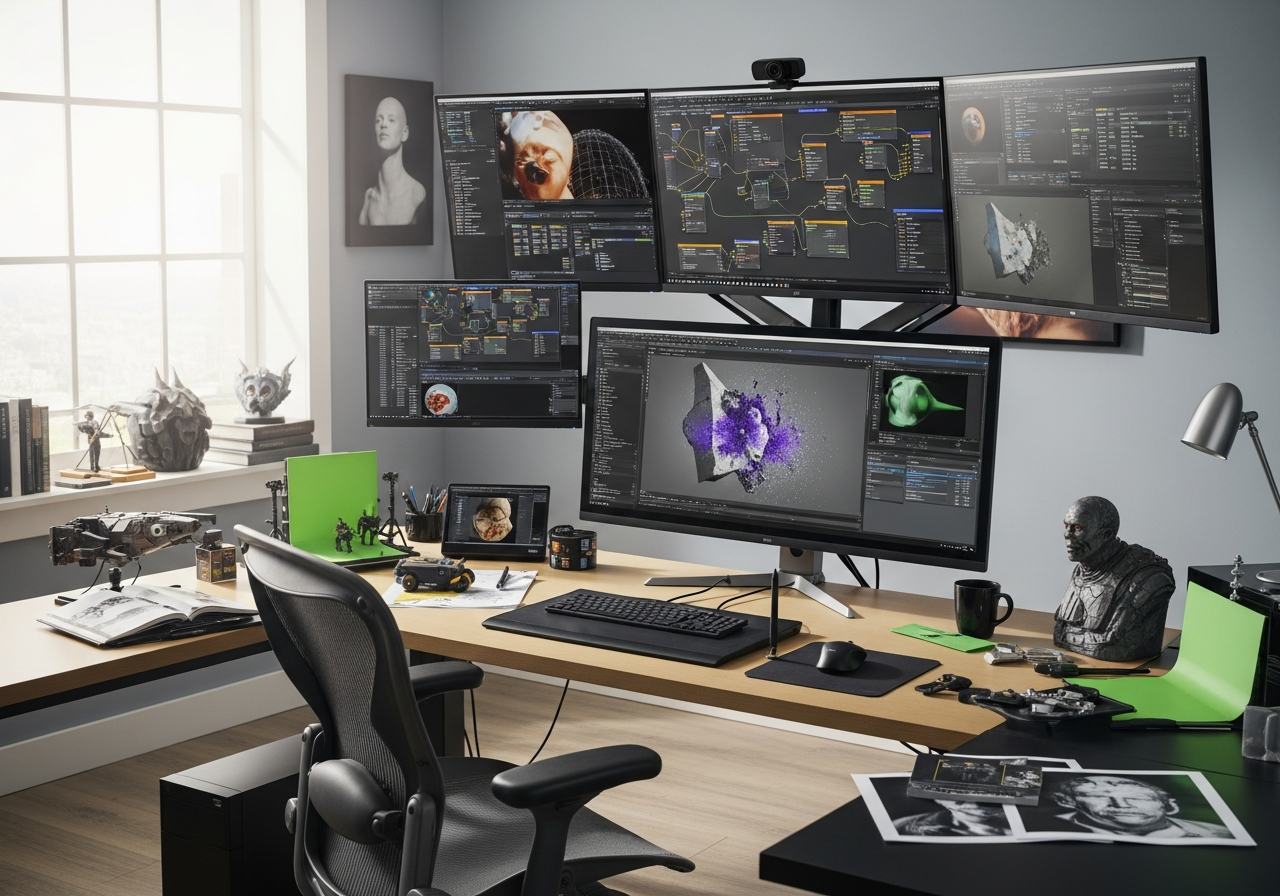
The Impact of Remote Work Policies on VFX Job Location Choices
VFX job location choices in Canada have become increasingly complex as remote work policies reshape how studios hire and where artists choose to live. Remote flexibility, regional talent hubs, and eligibility rules now intersect in ways that fundamentally change career planning for visual effects professionals. Understanding these dynamics helps both job seekers and employers navigate a landscape where traditional geographic boundaries are blurring, yet still matter significantly for hiring decisions.